
Stem cell therapy risks fall into four kinds: procedure risks from harvesting tissue and injecting it, product risks such as contamination or contents nobody can name, risks tied to the route into the body, and the risk of paying for something with thin evidence behind it. They start at different moments and look different when they go wrong. Knowing the early warning signs, and leaving with a full written record, matters as much as the consultation.
 Stem cell processing
Clinics in Korea
5 clinics for Stem cell therapy in Korea
| # | Clinic | Devices & products | Area | Languages | Listed price | Google rating |
|---|---|---|---|---|---|---|
| 1 | RE:BERRY Clinic Gangnam | Stem cell therapy · PRP · Rejuran Healer · Juvelook | Gangnam Station | English · 中文 · 日本語 · Español | ₩5,000,000 | 4.9 (1,165) |
| 2 | RE:BERRY Clinic Myeongdong | Stem cell therapy · Rejuran Healer · Juvelook · Re2O | Myeongdong Station | English · 中文 · 日本語 · Español | ₩4,000,000 | 4.9 (1,148) |
| 3 | Cellon Dermatology Clinic (Cheongdam) | Stem cell therapy · PRP · Rejuran Healer | Cheongdam Station | English · 中文 · 日本語 | - | - |
| 4 | Cellis LAB CLINIC | Stem cell therapy · PRP | Korea | - | - | - |
| 5 | ADO Clinic | Stem cell therapy · Rejuran Healer · Juvelook | Korea | - | ₩2,100,000 | 5.0 (681) |
 1
1. RE:BERRY Clinic Gangnam
★ 4.91,165 Google reviewsRE:BERRY Clinic Gangnam is a 2-minute walk from Gangnam Station Exit 10, a skin and aesthetic clinic with a 4.9 average from 1,165 Google reviews. Its menu covers stem cell therapy as well as HIFU lifting, RF lifting and Botox. Staff consult in English, Chinese, Japanese and Spanish, and listed stem cell therapy prices start at ₩5,000,000 + VAT.
Gangnam Station skin clinic built around five-language care
- Five-language desk
- Gallery-style interior
- Regenerative skin menu
- Location
- Gangnam Station (Line 2) Exit 10, 2 min walk
- Languages
- English · 中文 · 日本語 · Español
- Listed price
- From ₩5,000,000 + VAT
 2
2. RE:BERRY Clinic Myeongdong
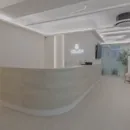
★ 4.91,148 Google reviewsRE:BERRY Clinic Myeongdong is a skin and aesthetic clinic near Myeongdong Station, rated 4.9 from 1,148 Google reviews. Stem cell therapy is offered here together with HIFU lifting, RF lifting and Botox. Consultations are available in English, Chinese, Japanese and Spanish, and its listed stem cell therapy price starts from ₩4,000,000 + VAT.
Myeongdong flagship for lifting, glass skin and stem cell
- Flagship space
- Open every day
- Six languages
- Location
- Myeongdong Station (Line 4) / Euljiro-ipgu Station (Line 2)
- Languages
- English · 中文 · 日本語 · Español
- Listed price
- From ₩4,000,000 + VAT
 3
3. Cellon Dermatology Clinic (Cheongdam)
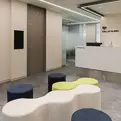
Cellon Dermatology Clinic (Cheongdam) sits a 5-minute walk from Cheongdam Station, a skin and aesthetic clinic. It offers stem cell therapy alongside HIFU lifting, RF lifting and Botox. Consultations are available in English, Chinese and Japanese.
Stem cell and regenerative aesthetics clinic in Cheongdam
- Regenerative focus
- Cheongdam boutique
- Private rooms
- Location
- Cheongdam Station or Apgujeong Rodeo Station, about 5 minutes by taxi
- Languages
- English · 中文 · 日本語
 4
4. Cellis LAB CLINIC
Cellis LAB CLINIC runs a skin and aesthetic clinic in Korea. Stem cell therapy is on its menu.
Stem cell-based regenerative anti-aging clinic in Seocho
- Regenerative care
- In-house cell lab
- Hotel-suite recovery
- Location
- Korea
 5
5. ADO Clinic
★ 5.0681 Google reviewsADO Clinic is a skin and aesthetic clinic in Korea, rated 5.0 from 681 Google reviews. Stem cell therapy is offered here together with Botox, fillers and skin boosters. Stem cell therapy is listed from ₩2,100,000 + VAT.
Filler- and lifting-led clinic near Sinnonhyeon Station
- Injectables & lifting
- Late weekday hours
- Station-front
- Location
- Korea
- Listed price
- From ₩2,100,000 + VAT
Guide
Procedure risks: harvesting and injecting
These belong to the act itself, whatever ends up in the syringe. Taking fat through a thin cannula or drawing blood can leave bruising, soreness and swelling at the donor site, and less often bleeding, infection or an uneven contour. Anesthetic and sedation carry reactions of their own.
At placement, a needle or cannula can introduce bacteria or irritate a nerve, and material pushed into a blood vessel can cut off supply to skin or, near the eye, to sight. That event is uncommon but urgent. Skill and sterile handling lower these risks; they do not remove them.
Guide
Product risks: contamination and unknown contents
Anything handled outside the body can pick up bacteria or other contaminants, and each extra step, from growing to storing and shipping, is another opening. A contaminated product can cause infection where it was placed or, once in the blood, across the whole body.
The second product risk is not knowing what was given. One menu label can sit on living cells, a cell-free liquid, plasma or a mixture. Without a product name, a maker and a batch record, nobody can check how it was tested. Living cells grown in a laboratory raise one more question: once placed, they can move, change or multiply in ways nobody planned.
Guide
Route risks: how far a problem can travel
Route is where stem cell therapy risks differ most between offers that sound alike. On skin opened by a device, trouble tends to stay local and visible. Closed spaces such as a joint, the eye or the spinal canal leave little room for swelling, infection or misplaced material. A vein gives the widest reach: whatever is in the line arrives everywhere within moments, so a reaction can be body-wide and fast. Ask why a route was chosen and what a less invasive one would give up.
Guide
The fourth kind: paying for thin evidence
This risk involves no needle. When a use has little human research behind it, the benefit is unknown, so every risk above is accepted for an uncertain return.
Harm from such offers has a literature of its own. Bauer and colleagues wrote a 2018 concise review in Stem Cells Translational Medicine analyzing reported adverse events in patients receiving unproven stem cell-based interventions, and in 2016 Cytotherapy carried a systematic review and meta-analysis by Yim and colleagues on the safety of mesenchymal stem cell therapy. No finding from either is repeated here. Ask which approval or clinical-research framework covers the exact use offered, and which document says so.
Guide
Early warning signs after a visit, and what to do once home
Expected soreness eases a little each day. A warning sign grows, spreads or arrives suddenly.
Once home, do not wait on a reply from the clinic before seeking urgent help; go to local care with your record. For slower changes, photograph the area daily, note when each symptom began and avoid leftover medicines. Then tell the clinic in writing.
| What you notice | What it can point to | What to do |
|---|---|---|
| Sudden change in vision, or skin near an injection site turning pale or dusky | A blocked blood vessel | Emergency care at once |
| Chest pain, shortness of breath or one swollen, painful calf | A clot | Emergency care at once |
| Hives, swelling of the lips or throat, wheezing or faintness | An allergic or infusion reaction | Emergency care; alert staff if still at the clinic |
| Pain, redness or warmth that increases, pus, fever or chills | Infection | Medical review the same day |
| A firm lump or new swelling weeks later | A delayed reaction or slow infection | A doctor's review, with your record |
Guide
Records to keep from the day of treatment
For a visitor treated in Korea, a doctor at home can only work with what is written down.
- Product name, maker, lot number and expiry date, plus a label photo
- What it contains: living cells or not, and whose tissue it came from
- Who processed it, and any batch test report
- Amount, route, body site, date and time
- The treating doctor's name and every medicine used that day
- A copy of the signed consent form
- The approval or study the clinic named, with its document number
- Aftercare sheet, a working contact and dated photos
Evidence
Research behind this page
- Concise Review: A Comprehensive Analysis of Reported Adverse Events in Patients Receiving Unproven Stem Cell-Based InterventionsStem Cells Translational Medicine · 2018 · doi:10.1002/sctm.17-0282
A concise review that analyzes adverse events reported in patients who received unproven stem cell-based interventions.
- Safety of Mesenchymal Stem Cell Therapy: A Systematic Review and Meta-AnalysisCytotherapy · 2016 · doi:10.1016/j.jcyt.2016.03.258
A systematic review with meta-analysis whose subject is the safety of therapy with mesenchymal stem cells.
FAQ
Questions about Stem cell therapy in Korea
Which clinics offer Stem cell therapy in Korea?
Clinics offering Stem cell therapy in Korea include RE:BERRY Clinic Gangnam (Gangnam Station), RE:BERRY Clinic Myeongdong (Myeongdong Station), Cellon Dermatology Clinic (Cheongdam) (Cheongdam Station), Cellis LAB CLINIC (Korea) and ADO Clinic (Korea). Each lists Stem cell therapy on its own menu; message the clinic directly to confirm the doctor, product and current price.
Which stem cell therapy risks can a careful clinic lower, and which remain?
A careful clinic can lower procedure and contamination risks, but it cannot remove uncertainty about what a product does inside the body. Sterile handling, practiced technique, trained monitoring and a rehearsed emergency plan reduce the first group. Whether a little-studied product helps, or how it behaves months later, is unknown to the clinic as well. Ask which risks the doctor considers reduced and which simply remain.
Can a problem first appear weeks after everything looked fine?
Yes, some problems surface late, which is why the record and the watchfulness should outlast the trip by months. A slow infection, a firm lump or a delayed reaction may show only after early swelling has gone. Mention the treatment to any doctor you see in that period, even for a complaint that seems unrelated. Timing differs from person to person.
What should I tell an emergency doctor at home who has never seen the product?
State plainly that you received a cell-based or cell-derived product abroad, then give the date, the route and the body site. Hand over the written record and the label photo, name any anesthetic or other medicine used that day, and say when the symptom began. Without those facts the doctor is guessing. If the record is missing, request it from the clinic in writing.
Is paying for an unproven treatment a risk or only a disappointment?
It is a risk in its own right, because you accept real procedure and product hazards in exchange for a benefit nobody has shown. Money, travel and recovery time are spent either way, and a prepaid course raises the stake before a first result is seen. A treatment with little evidence can also delay one with more. Ask what the claim rests on.
Does having several treatments in one visit add risk?
Yes, each added step brings its own procedure risk, and a combined session makes any reaction harder to trace to one cause. If a device pass, a plasma step and an injected product share one day, nobody can easily say which caused a later rash, lump or fever. Ask which parts could be done on separate days and which the doctor would leave out.