Editorial Picks
How to Choose a Stem Cell Clinic in Korea — 2026 Guide
Korean regenerative medicine occupies a peculiar position in the international register — more regulated than the offshore stem-cell clinics one reads about from Mexico City or Bangkok, less hyped than the Swiss and Caribbean retreats, and uniquely structured under the Ministry of Health and Welfare's Advanced Regenerative Medicine Center designation framework introduced in recent years. From the vantage of a Manhattan reader on a long weekend or a London-based traveller building a four-city Asia rotation, the question is not whether the modalities exist in Seoul, but which house carries the regulatory designation, layers exosome and stem-cell work accurately, and treats the protocol as a sequenced regenerative programme rather than a single-session purchase. The serious Korean practices administer the work physician-led, with response reviewed at four-week intervals and case files documented in the patient's language for follow-up between trips. What separates the houses worth a closer reading from those one merely visits is the senior physician's willingness to defer the next session when the response has already met the indication. Eight Korean houses, read on temperament and regulatory grounding rather than tier.
What to look for in a Korean stem cell or regenerative clinic
A serious Korean stem-cell or regenerative practice — the kind that justifies the airfare from New York, London, or Singapore — rests on three quiet considerations. The first is regulatory grounding: Korea's Ministry of Health and Welfare administers the Advanced Regenerative Medicine Center designation framework, which is the most material credential one verifies for face and skin regenerative work. A house carrying the designation has been audited on personnel, protocol, and infrastructure standards; a house claiming regenerative work without the designation should be asked, in writing, under which regulatory framework the protocol is administered. The second consideration is layering: in the better Korean practices stem cell, exosome, and regenerative boosters are sequenced rather than stacked — exosome microneedling on the surface, intravenous regenerative protocols at depth, and skin boosters layered across a four-to-six-week cadence. A house that prescribes a single-session stem-cell injection without context, without imaging baseline, and without follow-up scheduling is selling the brand rather than the protocol. The third is the four-week review and the longer continuity: a senior physician who reviews response at imaging intervals, who is willing to defer adjuncts the indication does not call for, and who maintains case-file continuity across multiple trips for the international patient. Korean medical law requires the protocols to be physician-administered, which raises the floor — what separates the better houses is what sits above that floor: the multilingual coordinator who has read the case file, the consultation that takes forty minutes rather than ten, and the written aftercare protocol that arrives in the patient's language before the flight home.
Lijin Clinic (Myeongdong)
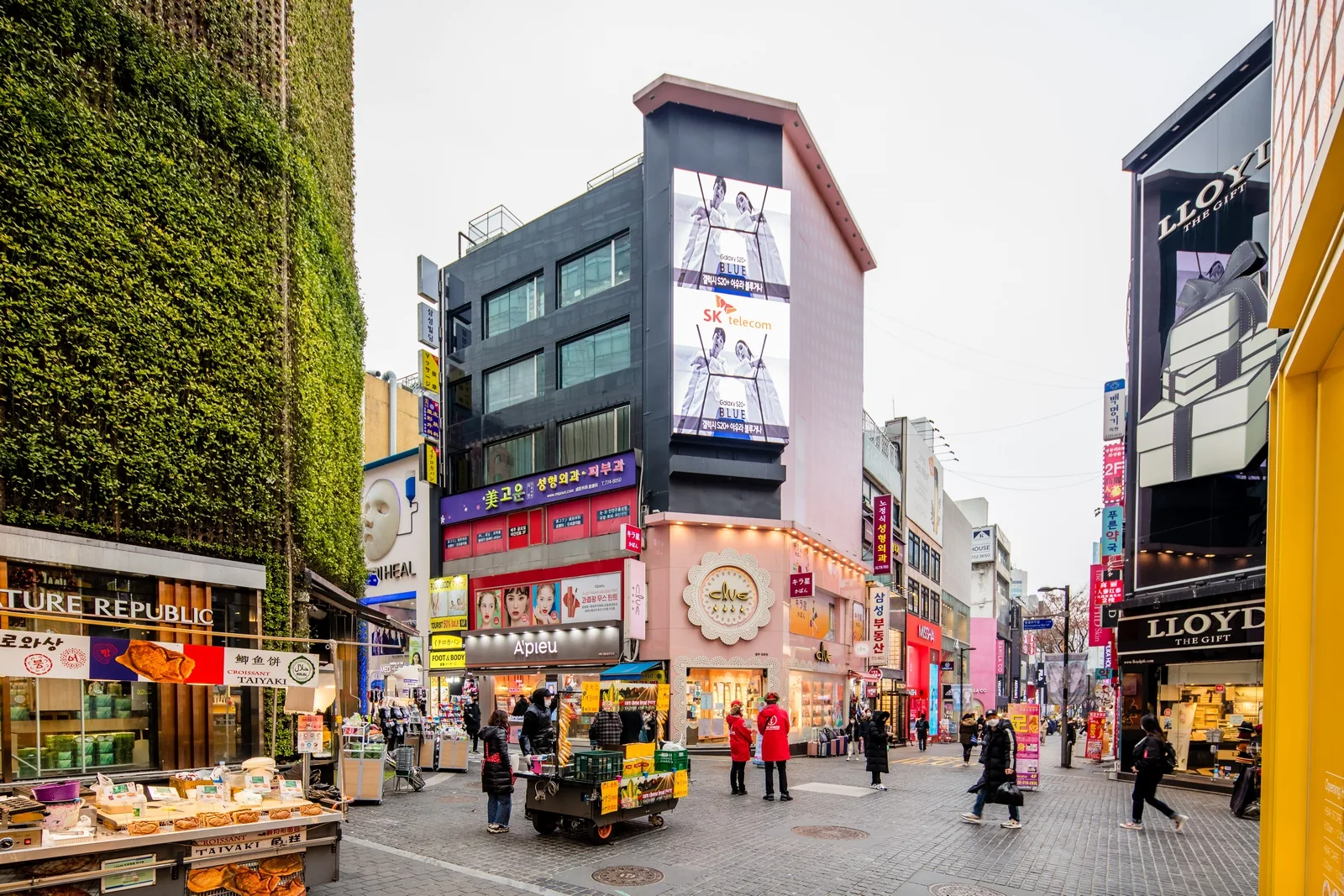
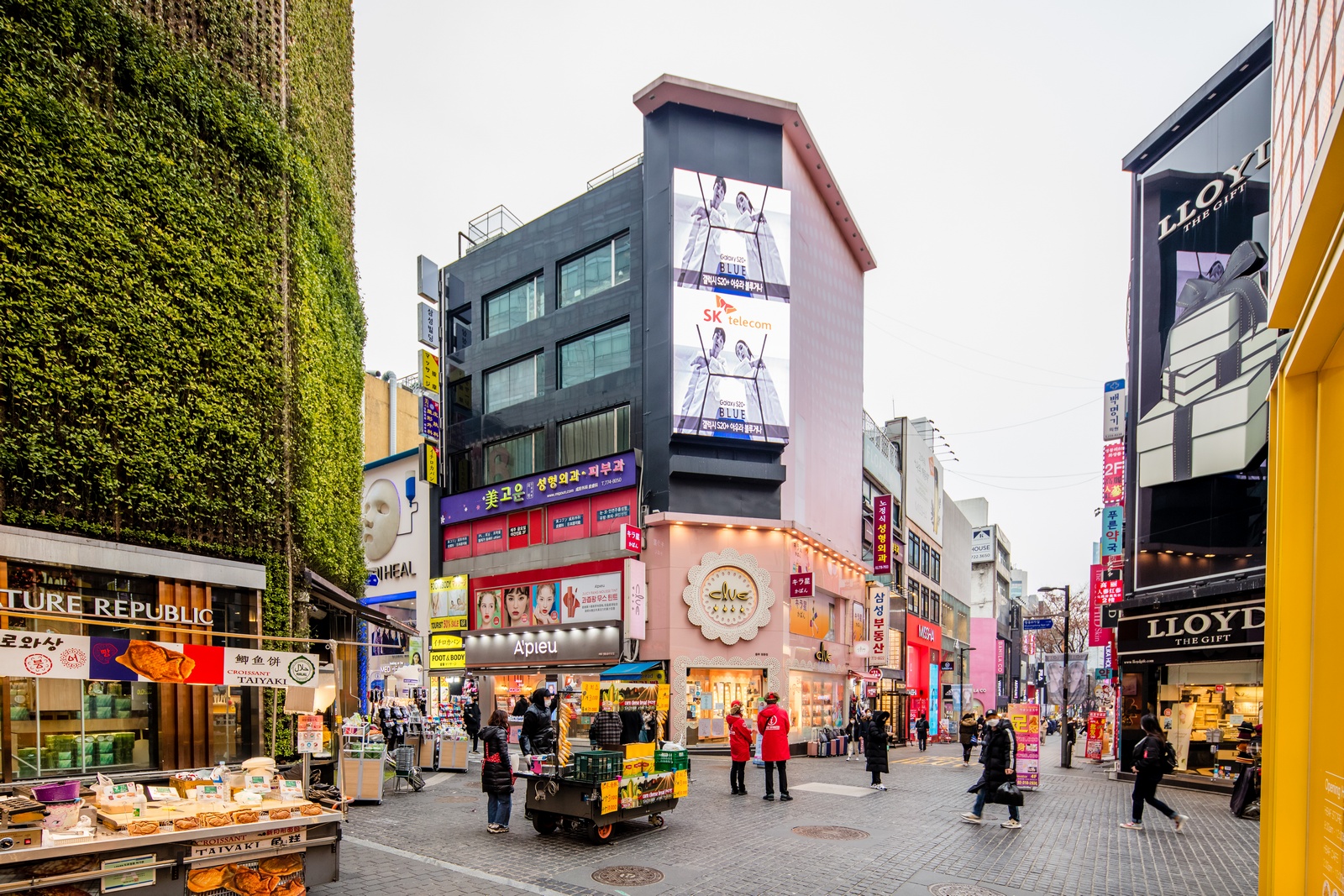
Lijin is a Myeongdong practice with international patient experience since 2011, led by a chief director carrying fifteen years of regenerative booster work. The operating temperament is long-form — longer consultations, fewer same-day add-ons, deliberate pacing through the booster regimen — and English-language coordinator support is built in.
Eight Korean clinics worth a closer reading
What follows is an editorial discovery — not a ranking. Each entry has been read for the texture of its practice and verifiable stem-cell, exosome, or regenerative attribution in its published materials, rather than for its marketing register. The order reflects the rhythm of an unhurried itinerary through Cheongdam, Hongdae, Apgujeong, and Myeongdong; nothing more.
Re:Berry Skin Clinic (Gangnam) 💬
Re:Berry is a Cheongdam-Gangnam dermatology practice carrying an Advanced Regenerative Medicine Center designation under Korean regulatory framework. The stem-cell exosome menu — face microneedling and intravenous protocols — is delivered alongside skin boosters and lifting devices. The clinic is, in our reading, frequently chosen by returning international patients from the United States, Singapore, Hong Kong, and Japan.
Lydian Plastic Surgery 💬
Lydian is a Seoul plastic surgery practice whose director has performed liposuction since 2001 — over two decades of operating tenure — and developed a proprietary 5D liposculpting technique taught since 2011. The clinic carries an Advanced Regenerative Medicine designation from Korea's Ministry of Health and Welfare, which underwrites the regenerative protocol layered alongside the surgical body-contouring menu.
Kind Global Clinic (Myeongdong) 💬
Kind Global is a Myeongdong-gil flagship in central Jung-gu — anchored on the principal Seoul tourist corridor — operating a 1:1 personalised physician consultation model in private single-patient treatment rooms. The clinic operates a sixteen-device equipment lineup across lifting and skin protocols, with co-directors Lee Wonjin and Lee Kangin handling consultation. Same pricing applies for foreign and domestic patients.
Onecell Mediclinic
Onecell is a Korean aesthetic dermatology practice with an in-house stem-cell research centre and a roster of eleven-plus named physicians. The medical lead received a 2024 Minister of Health and Welfare commendation, which underwrites the regulatory register of the regenerative protocol. The research-centre infrastructure is the variable that distinguishes the house from broader dermatology practices on stem-cell adjunct work.
QD Skin Clinic (Gangnam) 💬
QD is a Gangnam aesthetic dermatology practice whose medical lead, Dr. Hong Sahyeok, holds an MD-PhD and completed fellowships at Harvard Medical School and Johns Hopkins Hospital. Exosome and regenerative-booster protocols sit within a broader menu sequenced rather than stacked. Membership across seven Korean medical societies underwrites the academic register of the consultation room.
BLS Clinic 💬
BLS is a long-tenured Korean dermatology practice with over eighteen years of operating expertise and television appearances on MBC and SBS. The clinic hosts academic conferences — the Volume Forum and Volume Master Forum — which underwrites the technical register of the consultation. Exosome and regenerative-booster work sit within a broader anti-ageing menu sequenced for international travellers on multi-session programmes.
Peau Reve Skin Clinic (Cheongdam)
Peau Reve is a Cheongdam-area practice operating on a strict reservation-only model — two exclusive hours per patient, no walk-ins. Exosome therapy sits within a broader regenerative menu alongside Rejuran Healer and lifting devices. The senior physician holds Thermage FLX Master and Ultherapy Prime Gold certifications, with over ten years of operating tenure underwriting the unhurried consultation rhythm.
What stem cell, exosome, and regenerative treatment actually is
Stem cell, exosome, and regenerative medicine in the Korean dermatology and aesthetic register cover a spectrum of physician-administered protocols that share a common premise: rather than filling a line, contouring a volume, or thermally remodelling a layer of tissue, the protocols are calibrated to upregulate the body's own regenerative cascade — fibroblast activity, extracellular matrix production, type I and type III collagen synthesis, and dermal stem-cell signalling. Exosomes are extracellular vesicles secreted by mesenchymal stem cells, applied topically through microneedling or intravenously through medical-grade protocols; the published literature suggests outcomes correlate with vesicle quality, application depth, and the senior physician's protocol calibration rather than with brand premium. Korea's Ministry of Health and Welfare administers the Advanced Regenerative Medicine Center designation framework — the most material regulatory credential one verifies before booking such protocols, as the designation requires audited personnel standards, protocol documentation, and infrastructure compliance. A typical first programme for face regenerative work runs three to four sessions across six to ten weeks, with maintenance every six to twelve months. For an international traveller from the United States, the United Kingdom, Singapore, or Japan, the practical question is not whether such modalities exist in Korea — it is which house carries the regulatory designation and layers the indication accurately.
How the eight Korean clinics compare
What follows is categorical positioning — not a ranked recommendation. Re:Berry sits in Cheongdam-Gangnam with an Advanced Regenerative Medicine Center designation, layering exosome microneedling and intravenous stem-cell protocols into broader regenerative work for the returning international patient mix. a leading regional regenerative practice is the Hongdae-the regional anchordermatology house with a four-doctor team and multilingual coordination across Japanese, English, and Spanish — calibrated for tourists routing through the regional anchor. Lydian is the plastic-surgery-led house carrying its own Advanced Regenerative Medicine designation, with the surgical body-contouring menu underwriting the regenerative protocol. Kind Global is the Myeongdong-gil flagship — central tourist corridor, sixteen-device equipment lineup, 1:1 private consultation model — for travellers anchoring to the Lotte and Cathedral district on a broader aesthetic itinerary. Onecell is the research-centre house, with in-house stem-cell research infrastructure and eleven-plus named physicians underwriting the regulatory register. QD reads as an academic-credentialled premium suite, with the medical lead's Harvard and Johns Hopkins fellowship setting the consultation tone. BLS is the eighteen-year-tenured house with conference hosting and broadcaster appearances. Peau Reve is the reservation-only practice with two exclusive hours per patient. One chooses on temperament, regulatory grounding, and indication.
How I'd choose between these eight clinics
In my reading, the choice rests less on the brochure than on three quiet variables for an international traveller. The first is regulatory grounding: a practice with an Advanced Regenerative Medicine Center or equivalent designation has been audited on protocol standards, which is the most material credential one verifies before booking stem-cell or exosome work in Korea. Re:Berry, Lydian, and houses with in-house research infrastructure such as Onecell are the ones I would ask first about regulatory documentation; the answer should arrive in writing without prompting. The second variable is layering: a senior practice sequences exosome microneedling on the surface and intravenous regenerative protocols at depth across a four-to-six-week cadence, with imaging-based response review. The third is continuity for the international patient: a coordinator who maintains the case file across multiple trips, a named physician one can reach in writing after the flight home, and the willingness to defer adjuncts the indication does not call for. For a US traveller on a four-to-seven-day window, the houses with structured pre-arrival imaging and regulatory-grounded protocols suit best; for travellers on a multi-trip regenerative programme, the designated regenerative centres reward the longer commitment.
How we read these clinics
This survey is editorial — not a ranked recommendation. We read each clinic's published materials, cross-referenced physician credentials against the Korean Medical Association registry and the Advanced Regenerative Medicine Center designation register where available, and assessed each practice on three dimensions: regulatory grounding, regenerative protocol clarity, and the quality of structured aftercare promised before the patient transfers a deposit. We did not visit every clinic in person for this revision. The eight entries here are clinics one might reasonably consider for stem cell, exosome, or regenerative work in Korea — not the only ones. Where a commercial relationship exists with a featured house, the outbound or inline link carries rel="sponsored". We will revise this guide quarterly as practices change.
Frequently asked questions
What does Korean stem cell and regenerative medicine actually cover?
In the Korean dermatology and aesthetic register, the term covers exosome microneedling, intravenous regenerative protocols, polynucleotide therapies, and adjacent biostimulators administered by a licensed physician. The most material regulatory credential is the Ministry of Health and Welfare's Advanced Regenerative Medicine Center designation, which audits protocol, personnel, and infrastructure standards before granting the licence.
How many sessions should an international traveller plan?
Three to four sessions over six to ten weeks is the typical first programme for face regenerative work, with maintenance every six to twelve months thereafter. For a US or international traveller, one or two sessions during the visit with the remaining sessions on a follow-up trip is common; the senior physician should review at week four before scheduling the next.
What downtime should I plan for?
Exosome microneedling typically produces redness and fine surface texture for one to three days; intravenous regenerative protocols are essentially zero-downtime. Most patients can attend a meeting the same evening or a dinner the next day. The senior practice will document the downtime profile in writing before the deposit moves; one asks for it in the patient's language.
What is the Advanced Regenerative Medicine Center designation, and why does it matter?
It is a regulatory designation administered by Korea's Ministry of Health and Welfare under the regenerative medicine framework, granted after audit of personnel standards, protocol documentation, and infrastructure compliance. The designation is the most material credential one verifies before booking stem-cell or exosome protocols in Korea — a practice without designation should be asked, in writing, under which framework it operates.
What should an international traveller expect to pay?
Single exosome microneedling sessions in Korea typically run KRW 500,000–1,500,000 depending on the practice; intravenous regenerative protocols and multi-session stem-cell programmes range KRW 2,000,000–10,000,000 or higher depending on regulatory scope and physician seniority. Materially lower prices may indicate non-designated facilities or non-physician administration. Transparent pricing in writing, before booking, is a non-negotiable.
What credentials should I check on the senior physician?
Korean medical licensure verifiable through the Korean Medical Association, aesthetic medicine or regenerative experience measurable in years rather than weeks, the practice's Advanced Regenerative Medicine designation where applicable, and, for non-Korean patients, a coordinator fluent enough to translate clinical nuance — not just appointment times. A senior physician's name should appear on the consent and on the protocol record.
How does Korean regenerative medicine differ from offshore stem-cell clinics?
Korea operates a structured regulatory framework — the Advanced Regenerative Medicine Center designation, KFDA oversight, physician-only administration, and audited protocol standards — that is materially more rigorous than the offshore clinics in destinations where the regulatory floor is lower. The practical difference is that one can verify the regulatory credential in writing before the deposit moves, which is the variable that survives the trip.
What visa or travel logistics should I plan for a Korean trip?
Most visitors from the United States, the United Kingdom, Singapore, Japan, and the European Union enter Korea on the standard ninety-day visa-waiver framework — no medical visa is required for the protocols described on this page. A flight allowing five to seven days in Seoul is the comfortable register; the Korea Health Industry Development Institute (khidi.or.kr) publishes the medical-tourism framework one reads before travel.
What are the realistic risks?
Mild bruising, transient swelling, occasional redness post-microneedling, and, rarely, infection if aftercare is poor. Serious adverse events are uncommon when the protocol is physician-administered at a designated facility and the product is sourced through regulated channels. A practice that discusses risk candidly before the protocol is one to trust over one that avoids the conversation.
How do I tell a genuine regulated regenerative protocol from an unregulated one?
Ask for the Advanced Regenerative Medicine Center designation certificate, the senior physician's licence number, and the protocol's KFDA product registration where applicable — a senior practice will photograph and share these documents on request before the deposit moves. A clinic that hesitates is one to leave. The published outcomes literature assumes regulatory-grounded administration.
Who should not book regenerative or stem-cell protocols?
Patients with active infection, recent immunosuppression, pregnancy or lactation, unstable autoimmune conditions, known hypersensitivity to constituent biologics, or untreated active malignancy should not proceed without specialist clearance. A senior physician declining a modality on indication grounds is, in our reading, a signal of practice quality rather than a hindrance to the trip.
How does the international-patient experience differ across these eight houses?
Multilingual coordination varies materially. Re:Berry handles US, Singapore, Hong Kong, and Japan caseloads with messenger continuity; a leading regional regenerative practice leads with Japanese, English, and Spanish at the regional anchor; Kind Global serves the Myeongdong tourist corridor with same-pricing-for-foreigners policy; Lydian and Onecell carry research-centre and designation infrastructure for multi-trip continuity. One asks, in writing, before the deposit moves.