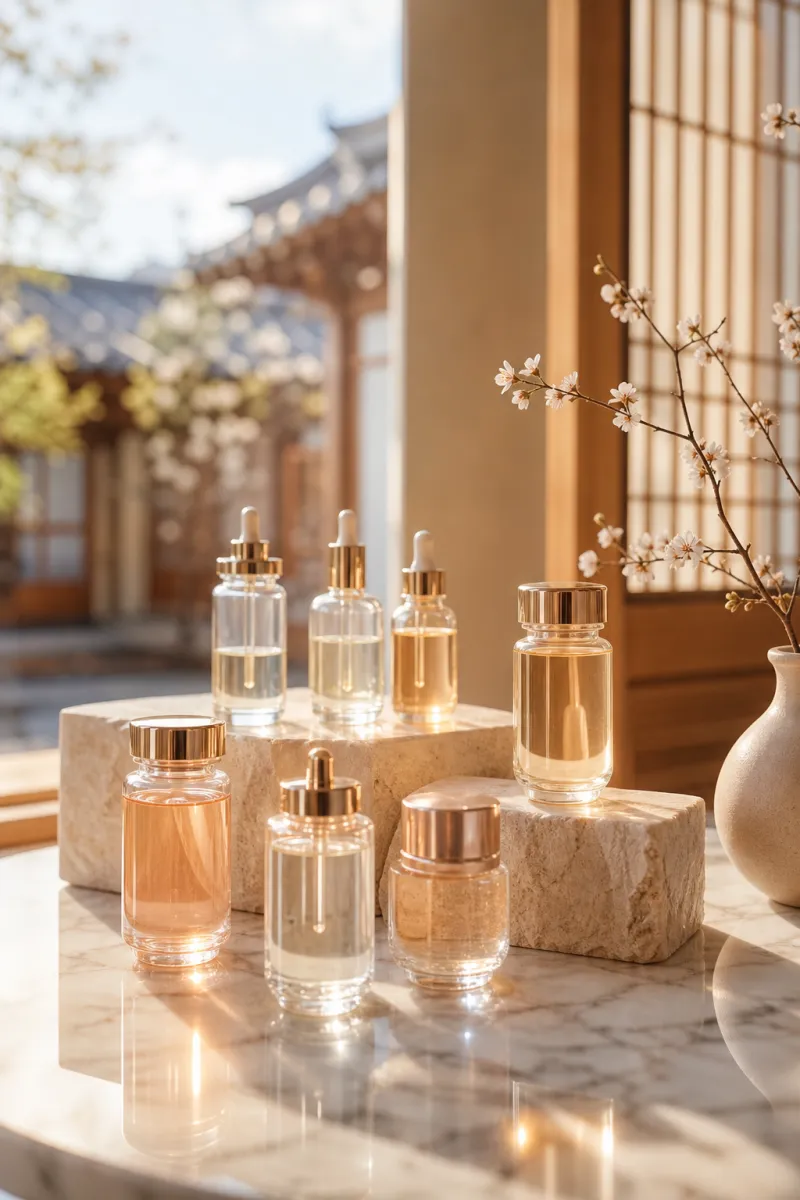
How long does stem cell therapy last: no fixed duration can be given, because the label covers at least three different things, a cell-free culture product applied to the skin, plasma from your own blood and a graft of your own fat, and each is measured against a different goal. Claims about months or years usually describe one product and one goal. How long a change holds varies by person, device settings and clinic protocol.
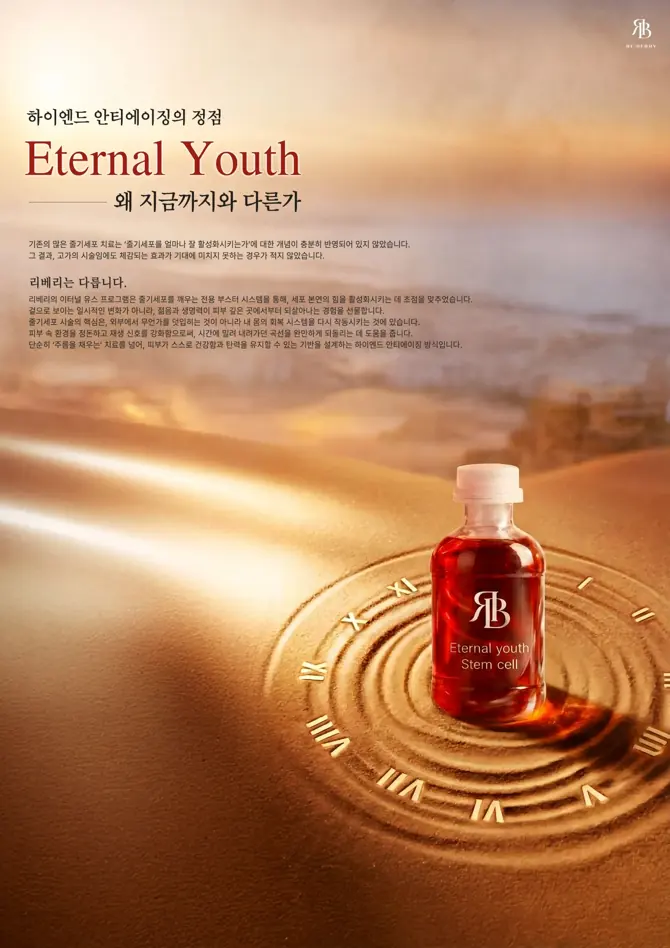 Stem cell processing
Clinics in Korea
5 clinics for Stem cell therapy in Korea
| # | Clinic | Area | Languages | Devices & products | Listed price | Google rating |
|---|---|---|---|---|---|---|
| 1 | RE:BERRY Clinic Gangnam | Gangnam Station | English · 中文 · 日本語 · Español | Stem cell therapy · PRP · Rejuran Healer · Juvelook | ₩5,000,000 | 4.9 (1,165) |
| 2 | RE:BERRY Clinic Myeongdong | Myeongdong Station | English · 中文 · 日本語 · Español | Stem cell therapy · Rejuran Healer · Juvelook · Re2O | ₩4,000,000 | 4.9 (1,148) |
| 3 | Cellon Dermatology Clinic (Cheongdam) | Cheongdam Station | English · 中文 · 日本語 | Stem cell therapy · PRP · Rejuran Healer | - | - |
| 4 | Cellis LAB CLINIC | Korea | - | Stem cell therapy · PRP | - | - |
| 5 | ADO Clinic | Korea | - | Stem cell therapy · Rejuran Healer · Juvelook | ₩2,100,000 | 5.0 (681) |
 1
1. RE:BERRY Clinic Gangnam
★ 4.91,165 Google reviewsRE:BERRY Clinic Gangnam is a 2-minute walk from Gangnam Station Exit 10, a skin and aesthetic clinic with a 4.9 average from 1,165 Google reviews. Its menu covers stem cell therapy as well as HIFU lifting, RF lifting and Botox. It consults in English, Chinese, Japanese and Spanish, and listed stem cell therapy prices start at ₩5,000,000 + VAT.
Gangnam Station skin clinic built around five-language care
- Five-language desk
- Gallery-style interior
- Regenerative skin menu
- Location
- Gangnam Station (Line 2) Exit 10, 2 min walk
- Languages
- English · 中文 · 日本語 · Español
- Listed price
- From ₩5,000,000 + VAT
 2
2. RE:BERRY Clinic Myeongdong
★ 4.91,148 Google reviewsRE:BERRY Clinic Myeongdong is a skin and aesthetic clinic near Myeongdong Station, rated 4.9 from 1,148 Google reviews. Stem cell therapy is offered here together with HIFU lifting, RF lifting and Botox. It consults in English, Chinese, Japanese and Spanish; its listed stem cell therapy price starts from ₩4,000,000 + VAT.
Myeongdong flagship for lifting, glass skin and stem cell
- Flagship space
- Open every day
- Six languages
- Location
- Myeongdong Station (Line 4) / Euljiro-ipgu Station (Line 2)
- Languages
- English · 中文 · 日本語 · Español
- Listed price
- From ₩4,000,000 + VAT
 3
3. Cellon Dermatology Clinic (Cheongdam)
Cellon Dermatology Clinic (Cheongdam) sits a 5-minute walk from Cheongdam Station, a skin and aesthetic clinic. It offers stem cell therapy alongside HIFU lifting, RF lifting and Botox. Staff consult in English, Chinese and Japanese.
Stem cell and regenerative aesthetics clinic in Cheongdam
- Regenerative focus
- Cheongdam boutique
- Private rooms
- Location
- Cheongdam Station or Apgujeong Rodeo Station, about 5 minutes by taxi
- Languages
- English · 中文 · 日本語
 4
4. Cellis LAB CLINIC
Cellis LAB CLINIC runs a skin and aesthetic clinic in Korea. Stem cell therapy is on its menu.
Stem cell-based regenerative anti-aging clinic in Seocho
- Regenerative care
- In-house cell lab
- Hotel-suite recovery
- Location
- Korea
 5
5. ADO Clinic
★ 5.0681 Google reviewsADO Clinic is a skin and aesthetic clinic in Korea, rated 5.0 from 681 Google reviews. Stem cell therapy is offered here together with Botox, fillers and skin boosters. Its listed stem cell therapy price starts from ₩2,100,000 + VAT.
Filler- and lifting-led clinic near Sinnonhyeon Station
- Injectables & lifting
- Late weekday hours
- Station-front
- Location
- Korea
- Listed price
- From ₩2,100,000 + VAT
Guide
Why two clinics can quote two different durations
A duration only means something once you know what was given and what is being measured. One clinic may be timing the fresh look after a skin session, another the volume left from a fat graft, a third how often it likes to repeat a course. All three can be honest, yet they answer different questions.
Before comparing figures, ask each clinic to finish one sentence: the change expected is this, in this area, judged at this point after treatment.
Guide
Three product types, three clocks
The table sets out what is generally understood about timing for the forms a visitor meets most often. None of it is a promise.
| What was given | What changes first | Generally understood | Still open |
|---|---|---|---|
| Cell-free culture product applied after needling or a laser | Surface look in the first days, then texture over weeks | The device step drives much of the change, and skin keeps aging afterward | How long any added effect of the product holds |
| Plasma concentrated from your own blood | Skin quality, gradually | Content differs with each person's blood and the preparation method | How long a change holds and how many sessions it takes |
| Your own fat, with or without separated stromal cells | Volume, once swelling settles | Part of the graft is absorbed in the early months; what stays then follows weight and age | How much stays in a given person and area |
Guide
What is known and what is not
Some points are settled enough to plan around. A cosmetic layer applied once is not an implant, and nothing stays in place the way a graft does. A fresh look in the first days comes largely from mild swelling. Texture changes, if they come, build gradually and are easier to judge after several weeks. Skin goes on aging at its own pace whatever was applied.
Much is not settled. Human reports on finished culture-derived skin products tend to be small and short, so they cannot tell you how a change behaves a year on. Research in the area is active: Nguyen and colleagues published a 2024 paper in Skin Research and Technology on skin rejuvenation and photoaging protection using adipose-derived stem cell extracellular vesicles loaded with exogenous cargos, and Sendera and colleagues wrote in Cells in 2025 on the therapeutic and clinical potential of the adipose-derived stem cell secretome for skin regeneration. Neither title is a statement about how long a clinic session holds, and neither is used as one here.
Therapy with processed living cells is a separate case: it sits under the regenerative medicine framework and follows a reviewed plan, so questions about duration belong to the doctors running that plan.
Guide
How upkeep is usually discussed
Clinics rarely speak of one treatment and a finish line. Skin sessions are commonly proposed as a short series, often spaced roughly four to eight weeks apart, followed by an occasional repeat when the person and the doctor agree the change has eased. The number of sessions and the interval vary by person, device settings and clinic protocol.
A visitor cannot always return on that rhythm. Ask whether one session makes sense on its own, what a repeat would be based on, and whether photos sent from home can inform the decision. For a fat graft, upkeep is framed differently: a review once swelling has gone, and a possible touch-up only after the first result has settled.
Guide
What shifts the timing for one person
No single factor decides how long a change stays visible, and results vary from person to person.
- Age, skin thickness and sun exposure before and after
- Smoking and large weight changes, which matter most after a fat graft
- Which device opened the skin, and at what settings
- The product, its source and the amount used
- How many sessions were completed and how far apart
- How the result is judged: dated photos or memory
Evidence
Research behind this page
- Skin rejuvenation and photoaging protection using adipose‐derived stem cell extracellular vesicles loaded with exogenous cargosSkin Research and Technology · 2024 · doi:10.1111/srt.13599
A paper on skin rejuvenation and protection from photoaging using extracellular vesicles from adipose-derived stem cells that carry added cargos.
- Therapeutic and Clinical Potential of Adipose-Derived Stem Cell Secretome for Skin RegenerationCells · 2025 · doi:10.3390/cells14211727
An article on the therapeutic and clinical potential of the secretome of adipose-derived stem cells for skin regeneration.
FAQ
Questions about Stem cell therapy in Korea
Which clinics offer Stem cell therapy in Korea?
Clinics offering Stem cell therapy in Korea include RE:BERRY Clinic Gangnam (Gangnam Station), RE:BERRY Clinic Myeongdong (Myeongdong Station), Cellon Dermatology Clinic (Cheongdam) (Cheongdam Station), Cellis LAB CLINIC (Korea) and ADO Clinic (Korea). Each lists Stem cell therapy on its own menu; message the clinic directly to confirm the doctor, product and current price.
How long does stem cell therapy last on the face after a single visit?
No single figure applies, because one visit can mean a cosmetic layer after needling, a plasma session or a fat graft. After a skin-surface session, the early fresh look fades within days and any texture change is judged over the following weeks. Ask the clinic which change it expects from one visit and when it would judge it. Results vary by person, device settings and clinic protocol.
Why do some clinics say months and others say years?
They are usually describing different products, different goals or different starting points for the clock. A figure in months may refer to skin quality after a device session with a culture product, while a figure in years may refer to fat that remained after the early settling period. Some figures describe how often a clinic prefers to repeat a course, which is a schedule and not a measured duration. Ask what the number is based on.
Can I do anything at home to help a change hold?
Daily sun protection and gentle skin care are the main things within your control after a skin-surface session. Sunlight is a leading driver of visible skin aging, so broad-spectrum sunscreen is worth using every day. After a fat graft, steady body weight matters most, because grafted fat behaves like the rest of your fat, and not smoking supports healing. None of this fixes a duration; it removes avoidable reasons for a change to fade early.
How do I tell that a change has worn off and not that I got used to it?
Compare dated photos taken in the same light, angle and expression, because memory adapts quickly to a new look. Take one set before treatment, another once the skin has settled and one every few weeks after that. If the later photos drift back toward the first set, the change is easing. If they do not, a repeat session may be early. Bring the photos to any follow-up conversation with the clinic.
Is a repeat session required to keep the result?
No session is compulsory; a repeat is a choice made when you and the doctor judge that the change has eased. Clinics often present a series because skin-surface work is built up step by step, but the count and spacing differ from one person and one clinic to the next. A plan that asks for prepayment of many visits before the first result is seen deserves questions. Ask what would make the doctor advise against repeating.