
Is stem cell therapy safe in Korea: one word cannot settle it, because the answer turns on three things, namely what exactly is administered, the route it takes into the body and the framework it is given under. A culture-derived cosmetic spread on the skin, a graft of your own fat and a processed living cell product raise very different questions. Sort an offer into its category first, then ask for the paperwork behind it.
 Stem cell processing
Clinics in Korea
5 clinics for Stem cell therapy in Korea
| # | Clinic | Devices & products | Area | Languages | Listed price | Google rating |
|---|---|---|---|---|---|---|
| 1 | RE:BERRY Clinic Gangnam | Stem cell therapy · PRP · Rejuran Healer · Juvelook | Gangnam Station | English · 中文 · 日本語 · Español | ₩5,000,000 | 4.9 (1,165) |
| 2 | RE:BERRY Clinic Myeongdong | Stem cell therapy · Rejuran Healer · Juvelook · Re2O | Myeongdong Station | English · 中文 · 日本語 · Español | ₩4,000,000 | 4.9 (1,148) |
| 3 | Cellon Dermatology Clinic (Cheongdam) | Stem cell therapy · PRP · Rejuran Healer | Cheongdam Station | English · 中文 · 日本語 | - | - |
| 4 | Cellis LAB CLINIC | Stem cell therapy · PRP | Korea | - | - | - |
| 5 | ADO Clinic | Stem cell therapy · Rejuran Healer · Juvelook | Korea | - | ₩2,100,000 | 5.0 (681) |
 1
1. RE:BERRY Clinic Gangnam
★ 4.91,165 Google reviewsRE:BERRY Clinic Gangnam is a 2-minute walk from Gangnam Station Exit 10, a skin and aesthetic clinic with a 4.9 average from 1,165 Google reviews. Its menu covers stem cell therapy as well as HIFU lifting, RF lifting and Botox. Staff consult in English, Chinese, Japanese and Spanish, and listed stem cell therapy prices start at ₩5,000,000 + VAT.
Gangnam Station skin clinic built around five-language care
- Five-language desk
- Gallery-style interior
- Regenerative skin menu
- Location
- Gangnam Station (Line 2) Exit 10, 2 min walk
- Languages
- English · 中文 · 日本語 · Español
- Listed price
- From ₩5,000,000 + VAT
 2
2. RE:BERRY Clinic Myeongdong
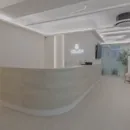
★ 4.91,148 Google reviewsRE:BERRY Clinic Myeongdong is a skin and aesthetic clinic near Myeongdong Station, rated 4.9 from 1,148 Google reviews. Stem cell therapy is offered here together with HIFU lifting, RF lifting and Botox. Consultations are available in English, Chinese, Japanese and Spanish, and its listed stem cell therapy price starts from ₩4,000,000 + VAT.
Myeongdong flagship for lifting, glass skin and stem cell
- Flagship space
- Open every day
- Six languages
- Location
- Myeongdong Station (Line 4) / Euljiro-ipgu Station (Line 2)
- Languages
- English · 中文 · 日本語 · Español
- Listed price
- From ₩4,000,000 + VAT
 3
3. Cellon Dermatology Clinic (Cheongdam)
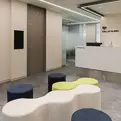
Cellon Dermatology Clinic (Cheongdam) sits a 5-minute walk from Cheongdam Station, a skin and aesthetic clinic. It offers stem cell therapy alongside HIFU lifting, RF lifting and Botox. Consultations are available in English, Chinese and Japanese.
Stem cell and regenerative aesthetics clinic in Cheongdam
- Regenerative focus
- Cheongdam boutique
- Private rooms
- Location
- Cheongdam Station or Apgujeong Rodeo Station, about 5 minutes by taxi
- Languages
- English · 中文 · 日本語
 4
4. Cellis LAB CLINIC
Cellis LAB CLINIC runs a skin and aesthetic clinic in Korea. Stem cell therapy is on its menu.
Stem cell-based regenerative anti-aging clinic in Seocho
- Regenerative care
- In-house cell lab
- Hotel-suite recovery
- Location
- Korea
 5
5. ADO Clinic
★ 5.0681 Google reviewsADO Clinic is a skin and aesthetic clinic in Korea, rated 5.0 from 681 Google reviews. Stem cell therapy is offered here together with Botox, fillers and skin boosters. Stem cell therapy is listed from ₩2,100,000 + VAT.
Filler- and lifting-led clinic near Sinnonhyeon Station
- Injectables & lifting
- Late weekday hours
- Station-front
- Location
- Korea
- Listed price
- From ₩2,100,000 + VAT
Guide
First question: what exactly is being administered
On Korean clinic menus the stem cell label is attached to at least four different things, and they do not share one risk picture. Pin down which of them a quote describes before weighing anything else.
| What the quote describes | Living cells in it? | How it usually reaches the body |
|---|---|---|
| Cell-free culture product, such as an exosome ampoule | No | Spread over skin just opened by needling or a laser |
| Plasma concentrated from your own blood | No stem cells | Used on the face or neck after an on-site spin |
| Your own fat, sometimes with separated stromal cells | Yes, as part of the tissue | Placed into facial tissue through a cannula |
| Processed or cultured living cells | Yes | Only inside the regenerative medicine framework |
Guide
Second question: the route into the body
Route changes what can go wrong and how quickly anyone would notice. A product that stays at the skin surface mostly brings the short-lived reactions of the device used before it: redness, swelling, pinpoint marks. Material placed into facial tissue adds questions of depth, volume and nearby blood vessels, so technique and an emergency plan weigh heavily. Anything given into a vein reaches the whole body at once and calls for a named person monitoring you.
Health authorities in Korea have advised clinics against delivering a cosmetic product by syringe, so an offer to inject an ampoule registered as a cosmetic is a reason to stop and ask.
Guide
Third question: the framework behind the offer
Culture-derived ampoules used at aesthetic clinics are registered as cosmetics, a status that allows sale for use on the skin and is not a regulator's finding that the product treats anything. Plasma from your own blood is prepared on site as a medical procedure. Therapy with processed living cells belongs to the national framework for advanced regenerative medicine, where a treatment plan needs government review and may run only at medical institutions listed for it.
A framework is not a promise about outcomes. What it gives you is a paper trail: a registration, a reviewed treatment plan or the documents of a clinical study, which the clinic can show. If nobody can say which of these applies, the question of risk cannot be answered either.
Guide
What researchers have put under the microscope
The published literature treats both the biology and the marketplace as open subjects. Baranovskii and colleagues, writing in Stem Cell Investigation in 2022, devoted a paper to adverse events, side effects and complications in mesenchymal stromal cell-based therapies. Sipp, in Stem Cells Translational Medicine in 2013, wrote on direct-to-consumer stem cell marketing and regulatory responses.
Neither paper is summarized here beyond its subject. For a visitor the useful point is that unwanted effects of cell-based therapy, and the way such products are sold to the public, are both recognized fields of study, so careful questions at a consultation are ordinary.
Guide
What to ask, and get answered in writing
Seven questions cover the three points above; a reply that changes the subject is information too.
- What exactly is administered: product name, maker and whether it holds living cells?
- Where does the source material come from: my own tissue, a donor or a cultured cell line?
- Who processes it, and is that done on site or at an outside laboratory?
- Which route is planned, and why that one?
- Which registration, approval or clinical-research framework covers it, and may I see the document?
- Who monitors me during and after, and for how long?
- Which written record goes home with me: product, lot, amount, route and date?
Evidence
Research behind this page
- Adverse events, side effects and complications in mesenchymal stromal cell-based therapiesStem Cell Investigation · 2022 · doi:10.21037/sci-2022-025
A paper on adverse events, side effects and complications in therapies based on mesenchymal stromal cells.
- Direct-to-Consumer Stem Cell Marketing and Regulatory ResponsesStem Cells Translational Medicine · 2013 · doi:10.5966/sctm.2013-0040
An article on the marketing of stem cell products directly to consumers and on how regulators have responded.
FAQ
Questions about Stem cell therapy in Korea
Which clinics offer Stem cell therapy in Korea?
Clinics offering Stem cell therapy in Korea include RE:BERRY Clinic Gangnam (Gangnam Station), RE:BERRY Clinic Myeongdong (Myeongdong Station), Cellon Dermatology Clinic (Cheongdam) (Cheongdam Station), Cellis LAB CLINIC (Korea) and ADO Clinic (Korea). Each lists Stem cell therapy on its own menu; message the clinic directly to confirm the doctor, product and current price.
Is stem cell therapy safe in Korea for someone staying only a few days?
A short stay does not change what a product is, but it shortens the time anyone can watch how you respond. Skin-surface sessions usually settle within hours to a few days, while anything placed into tissue needs a longer margin and a check before flying. Give the clinic your departure date and ask what it would not do on your timetable. Reactions vary from person to person.
Does a clinic's medical license cover the stem cell product it uses?
No, the license of a clinic and the regulatory standing of a product are two separate matters, and each needs its own answer. One doctor might apply an ampoule registered as a cosmetic, prepare plasma from your blood or graft fat, and each of those has a different standing. Ask what the product itself is registered as, or which reviewed plan covers it, and ask to see that in writing.
Which answers from a clinic should make me walk away?
Walk away when the clinic cannot name the product, will not show a document, or promises an outcome before it knows your history. Other signs are a product described only as secret or proprietary, a claim that it treats an illness, an offer to inject something registered as a cosmetic, and pressure to pay the same day. None of these proves harm, but each leaves you without the information needed to weigh the risk.
Are my own cells or fat lower risk than a donor-derived product?
Using your own tissue removes questions about donor screening, but it does not remove the risks of harvesting, processing and placement. Fat still has to be harvested and placed, and blood drawn and spun, so sterility and technique decide a great deal. Donor-derived or cultured material adds questions about the source, the laboratory and batch testing. Either way, ask who handled the material at every step.
Should I talk to my doctor at home before I book?
Yes, a short conversation with a doctor who knows your history is worth having before any cell-based treatment abroad. Pregnancy, breastfeeding, blood thinners, a bleeding or clotting history, a tendency to keloids, active infection and medicines that affect immunity can all change what is appropriate. Your home doctor is also the person most likely to see you if something appears weeks later. Bring a written list of your medicines to the consultation.
Who looks after me if a problem shows up once I am back home?
Any later check will most likely happen near your home, so the record you carry matters as much as the clinic's goodwill. Before leaving, get the product name, lot number, amount, route and date in writing, plus a contact the clinic answers. Sudden vision change, chest pain, breathlessness, spreading redness or fever call for urgent local care, not a message and a wait. Ask beforehand how the clinic follows up with patients abroad.