Family Shortlist
How to Choose a Rejuran Clinic in Korea — 2026 Guide
Rejuran is the Korean injectable that, more than any other, sells the idea of piboon — skin reborn — to the international traveller stepping off an inbound flight. From the vantage of a New Yorker on a long weekend or a Londoner extending a Tokyo trip, the question is not whether the polynucleotide healer is available in Seoul, but which house actually layers the indication accurately rather than upselling the schedule. Manufactured by Korean firm PharmaResearch, Rejuran derives from purified salmon DNA polynucleotides (PN/PDRN) and is calibrated for dermal repair, fine-line refinement, and the particular quality of recovery one sees after sun damage, post-acne texture, or the early-thirties dermal thinning that arrives quietly. In the better Korean practices the injection is physician-administered across a sequenced three-to-four-session programme, spaced four weeks apart, with response reviewed at week four before the next session is booked. What separates the houses worth a closer reading is the senior physician's willingness to combine Rejuran accurately — with Juvelook, exosome, or NCTF135HA — and to say no when the indication does not call for the device at all. Eight Korean houses, read on temperament rather than tier.
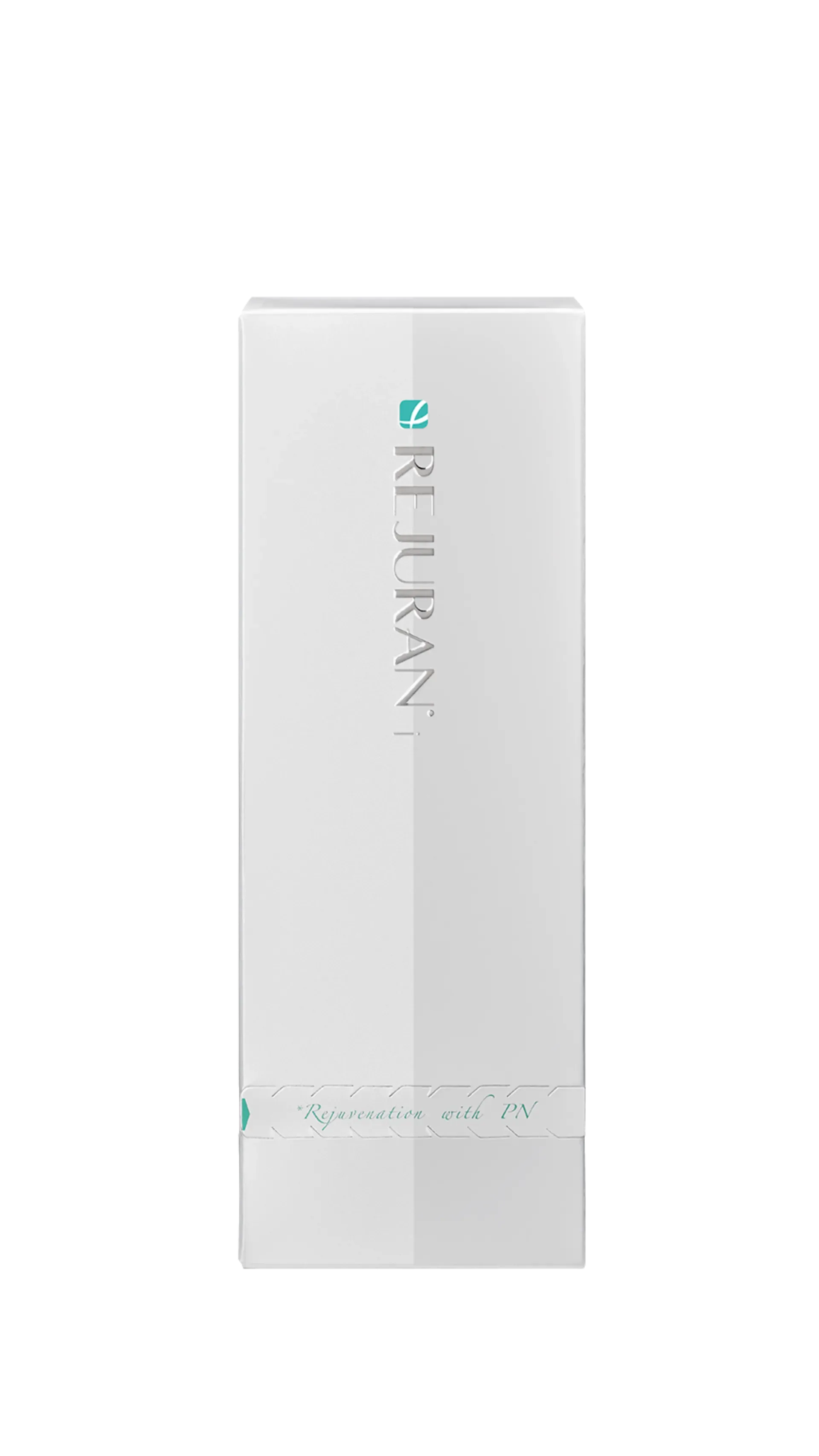
What to look for in a Korean Rejuran clinic
A serious Rejuran protocol — the kind that justifies the airfare from New York, London, or Hong Kong — rests on three quiet considerations. The first is candidacy: Rejuran is calibrated for dermal-repair indications, fine-line refinement, post-acne texture, and the kind of crepiness one finds across the cheek and eye area in the late twenties through the fifties. It is not a treatment for deep volume loss, for laxity in isolation, or for a single-session correction. The senior physician should say so during the consultation, in writing, before the deposit moves. The second consideration is layering: in the better Korean practices Rejuran is sequenced with one or two adjuncts — Juvelook for collagen biostimulation, exosome for regenerative signalling, NCTF135HA for nutrient density — across a four-week cadence. A house that prescribes Rejuran in isolation, without explaining why, is selling the brand rather than the protocol. The third is the four-week review: a senior physician who reviews response before booking the next session, who measures dermal density with imaging where available, and who is willing to adjust the protocol rather than add adjunctive devices the indication does not call for. Korean medical law requires the injection to be physician-administered, which raises the floor. What separates the better Korean clinics from the rest is what sits above that floor — the multilingual coordinator who has read the case file, the consultation that takes thirty-five minutes rather than ten, and the written aftercare protocol that arrives in the patient's language before the flight home.
Peau Reve Skin Clinic (Cheongdam)
Peau Reve is a Cheongdam practice favoured for its patient-paced consultation rhythm and a tightly edited regenerative menu — exosome microinjection, polynucleotide repair, and PDLLA-class biostimulators. The senior physician reviews each protocol at the four-week mark, and the English-speaking coordinator handles flight-home follow-up.
Eight Korean clinics worth a closer reading
What follows is an editorial discovery — not a ranking. Each entry has been read for the texture of its practice and verifiable Rejuran attribution in its published materials, rather than for its marketing register. The order reflects the rhythm of an unhurried itinerary across Myeongdong, Gangnam, and Hongdae; nothing more.
Kind Global Clinic (Myeongdong) 💬
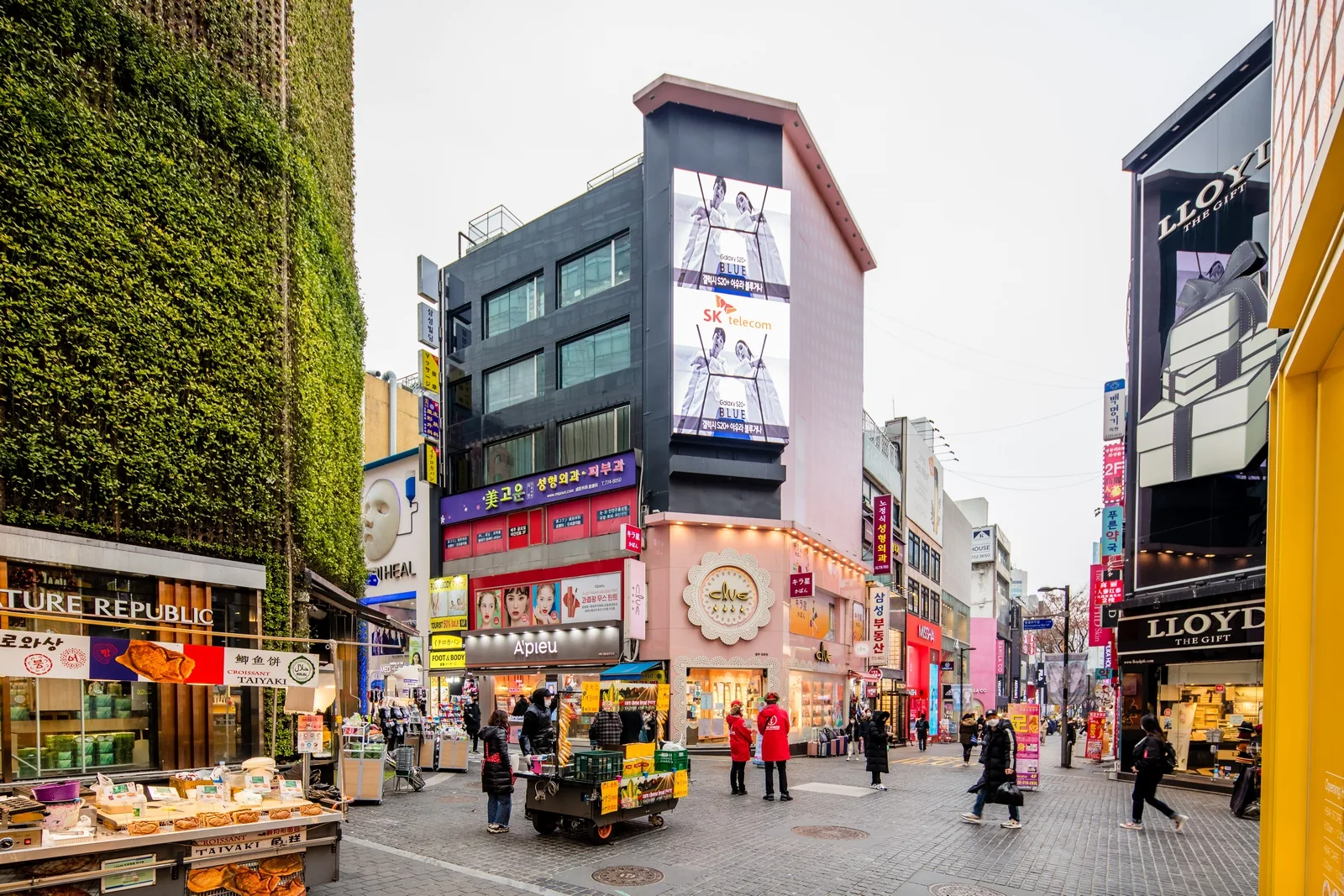
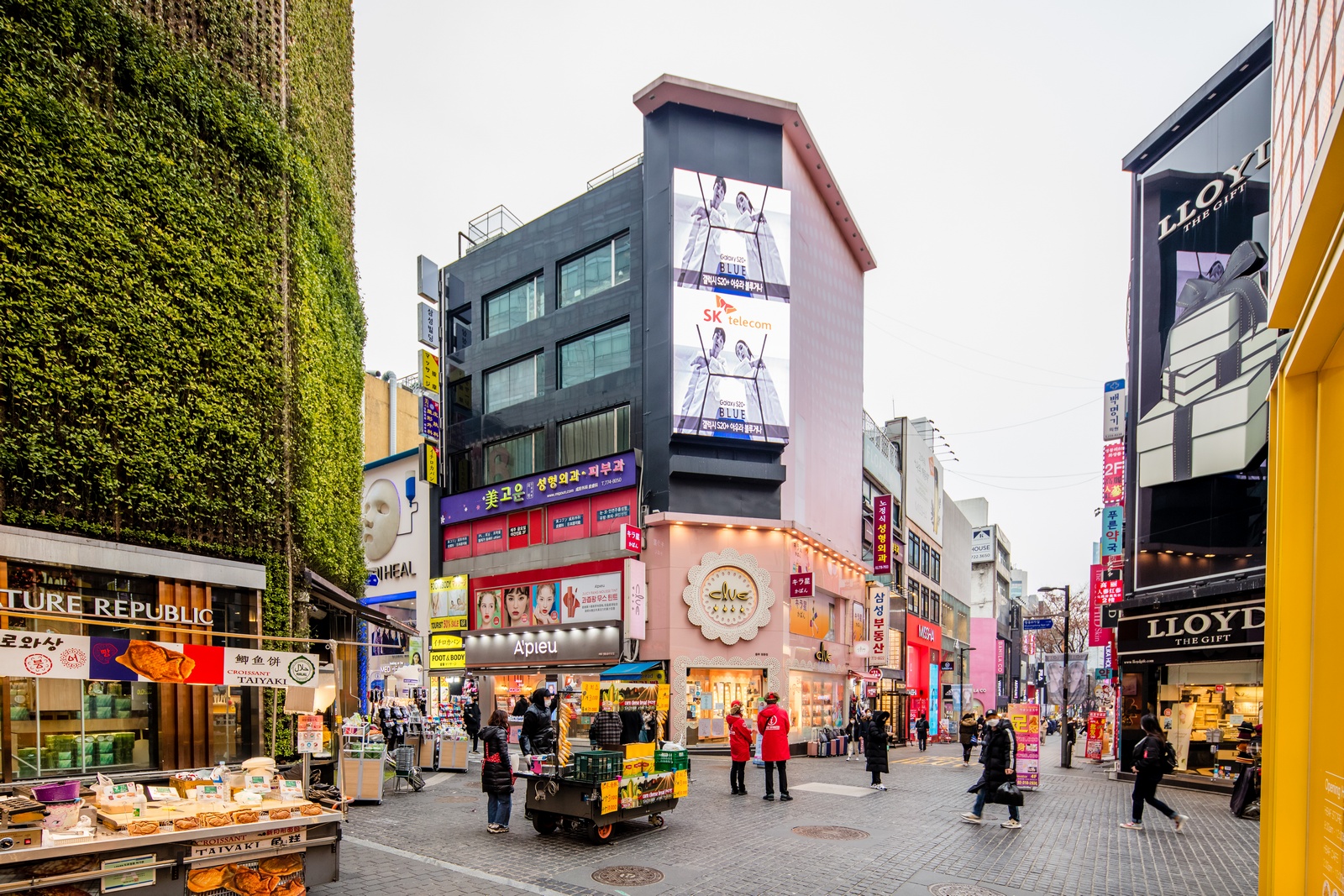
Kind Global is a Myeongdong-gil flagship in central Jung-gu — anchored on the principal Seoul tourist corridor — operating a 1:1 personalised physician consultation model in private single-patient treatment rooms. Rejuran sits within a broader lifting and skin-booster register, with co-directors Lee Wonjin and Lee Kangin handling the consultation rhythm. The clinic maintains same pricing for foreign and domestic patients.
Re:Berry Skin Clinic (Gangnam) 💬
Re:Berry is a Cheongdam-Gangnam dermatology practice carrying an Advanced Regenerative Medicine Center designation under Korean regulatory framework. The Rejuran menu is delivered alongside exosome boosters and lifting devices, with a senior physician handling consultation personally. The clinic is, in our reading, frequently chosen by returning international patients from the United States, Singapore, Hong Kong, and Japan for sequenced regenerative regimens.
Jiwoo Skin Clinic (Gangnam) 💬
Jiwoo is a Gangnam dermatology practice with four named doctors — Kim Hoe-won, Im Kyung-suk, Kim Woo-hyeong, Jin Kang-i — and the lead physician carrying twenty-plus years of experience. The clinic is officially designated an Outstanding Medical Institution for Attracting Foreign Patients by the Korean Ministry of Justice, which underwrites the international-patient register on Rejuran programmes.
BLS Clinic 💬
BLS is a long-tenured Korean dermatology practice with over eighteen years of operating expertise and television appearances on MBC and SBS. The clinic hosts academic conferences — the Volume Forum and Volume Master Forum — which underwrites the technical register of the consultation. Rejuran sits within a broader injectables menu sequenced rather than stacked for international travellers on multi-session programmes.
Lienjang Clinic (Gangnam)
Lienjang is a Seoul aesthetic practice operating since 2004, with a dedicated resident anaesthesiologist and multi-branch presence including Tokyo and Osaka — the texture of a house comfortable with cross-border continuity. Rejuran appears in the injectables menu alongside botulinum toxin, filler, and laser modalities; the multi-city footprint reads as the variable for travellers anchoring multiple Asian capitals.
Muse Clinic (Gangnam)
Muse is a Korean aesthetic dermatology practice established in 2013, reporting a cumulative customer count exceeding 2.6 million across the operating tenure. Founded by CEO Ha Eun-hwan, the clinic runs a broad anti-ageing menu where Rejuran sits alongside filler, botulinum toxin, and laser work — the throughput-driven register that suits travellers comfortable with a high-volume house over an unhurried one.
Ever Skin Clinic Apgujeong 💬
Ever is an Apgujeong dermatology practice whose senior physician claims top two per cent of Korean board-certified dermatologists. The clinic was awarded twice in the same calendar year — June and November — among eight outstanding-satisfaction clinics from one hundred seventy-nine Gangnam practices, the only dermatology house on the list. Rejuran sits within the sequenced injectables menu.
What Rejuran treatment actually is
Rejuran is a Korean-manufactured injectable dermal repair therapy composed of polynucleotides (PN) derived from purified salmon DNA, manufactured by PharmaResearch — a regenerative biostimulator rather than a hyaluronic acid filler, which is the distinction that matters. The polynucleotide fragments, once placed in the superficial and mid-dermal planes, are slowly metabolised over four to eight weeks, and the body responds by upregulating fibroblast activity, type I and type III collagen synthesis, and the particular quality of dermal repair one sees in post-acne texture, fine-line refinement, and early-stage dermal thinning. The aesthetic effect is gradual: improved dermal density, refined surface texture, and a particular quality of skin tone that one recognises as healthy without being able to name a single change. Rejuran is approved by Korea's Ministry of Food and Drug Safety (식품의약품안전처), and the published literature on PN/PDRN biostimulators suggests outcomes correlate strongly with injector technique, depth of injection, and patient selection rather than with brand alone. A typical first programme runs three to four sessions across twelve to sixteen weeks, with maintenance every six to nine months. For an international traveller from the United States, the United Kingdom, Singapore, or Japan, the practical question is rarely whether Rejuran exists in Korea — it is whether the senior physician will layer it accurately.
How the eight Korean clinics compare
What follows is categorical positioning — not a ranked recommendation. Kind Global is the Myeongdong-gil flagship — central tourist corridor, 1:1 private consultation model — for travellers anchoring to the Lotte and Cathedral district. Re:Berry sits in Cheongdam-Gangnam with an Advanced Regenerative Medicine Center designation, layering Rejuran into broader stem-cell and exosome work for the returning international patient mix. a leading regional regenerative practice is the Hongdae-the regional anchordermatology house with a four-doctor team and multilingual coordination across Japanese, English, and Spanish — calibrated for visitors routing through the regional anchor. Jiwoo is the foreign-patient-designated Gangnam practice, official recognition from the Ministry of Justice underwriting the international register. BLS is the eighteen-year-tenured house with academic conference hosting and broadcaster appearances. Lienjang is the multi-city aesthetic practice — Seoul, Tokyo, Osaka — for travellers building a multi-capital itinerary. Muse is the throughput-driven house with a 2.6 million cumulative customer count and broad anti-ageing menu. Ever is the Apgujeong dermatology practice with twin-award recognition among Gangnam clinics. One chooses on temperament, not on tier.
How I'd choose between these eight clinics
In my reading, the choice rests less on the brochure than on three quiet variables for an international traveller. The first is who actually performs the injection: PN/PDRN outcomes correlate more closely with injector seniority and technique — depth of placement, micro-bolus calibration, and protocol disclosure — than with any specific brand premium. The second is whether the four-session programme is sequenced rather than stacked: a senior practice books Rejuran across twelve to sixteen weeks with response review at each visit, not three sessions in a single trip without imaging. The third is whether the follow-up at week four is scheduled before the patient leaves the lobby, with a senior physician willing to adjust if the response is faster or slower than expected. For a US traveller on a four-to-seven-day window, the houses with structured pre-arrival imaging and same-day senior consultation suit best; for travellers on a longer Seoul rotation, the multi-language and multi-city practices reward the longer commitment. The eight houses above each meet a different brief; one selects on temperament, on indication, and on whether the senior physician is willing to say, candidly, that the next session can wait.
How we read these clinics
This survey is editorial — not a ranked recommendation. We read each clinic's published materials, cross-referenced physician credentials against the Korean Medical Association registry where available, and assessed each practice on three dimensions: PN/PDRN protocol clarity, injector seniority disclosed in writing, and the quality of structured aftercare promised before the patient transfers a deposit. We did not visit every clinic in person for this revision. The eight entries here are clinics one might reasonably consider for Rejuran in Korea — not the only ones. Where a commercial relationship exists with a featured house, the outbound or inline link carries rel="sponsored". We will revise this guide quarterly as practices change.
Frequently asked questions
What is Rejuran, in plain language?
Rejuran is a Korean-manufactured injectable dermal repair therapy built on polynucleotides derived from purified salmon DNA. It does not fill — it stimulates the dermis to repair itself over four to eight weeks per session. The effect is gradual rather than immediate, and a senior injector reads the face on the day rather than the chart.
How many sessions should an international traveller plan?
Three to four sessions over twelve to sixteen weeks is the typical first programme, with maintenance every six to nine months thereafter. For a US or international traveller, one or two sessions during the visit with the remaining sessions on a second trip is common; the senior physician should review at week four before scheduling the next.
What downtime should I plan for?
Most patients see fine injection marks, mild swelling, and possible small bruises for two to four days; some experience temporary papules that resolve over a week as the polynucleotides settle. There are no incisions, no anaesthesia beyond topical cream, and no bandages. One can attend a dinner the same evening — discreetly, with concealer if needed.
How does Rejuran differ from Juvelook or Skinvive?
Juvelook is a PDLLA biostimulator that prompts long-cycle collagen production; Skinvive is a modified hyaluronic acid microdroplet for hydration and reflectance. Rejuran, alone among the three, is a polynucleotide dermal-repair injectable — its salmon-DNA fragments prompt fibroblast activity for dermal repair rather than collagen biostimulation or HA hydration. Different mechanism.
What should an international traveller expect to pay?
A single Rejuran session in Korea typically falls between KRW 250,000 and KRW 700,000 per vial, depending on the practice, the Rejuran variant (Healer, HB, S), and the regimen. Materially lower prices may indicate counterfeit product; materially higher ones reflect senior-physician injection or VIP-suite operations. Transparent pricing in writing, before booking, is a non-negotiable.
What credentials should I check on the injector?
Korean medical licensure verifiable through the Korean Medical Association, aesthetic medicine experience measurable in years rather than weeks, and, for non-Korean patients, a coordinator fluent enough to translate clinical nuance — not just appointment times. A senior physician's name should appear on the consent and on the injection record before the session begins.
Can I combine Rejuran with Juvelook or exosome boosters?
Yes, and several of the eight practices on this page do — typically sequenced rather than stacked in one session, with Rejuran first for dermal repair, then Juvelook or exosome for collagen biostimulation or regenerative signalling. The senior physician should plan the order and the interval; the published case literature favours sequencing over single-session stacking.
What visa or travel logistics should I plan for a Korean trip?
Most visitors from the United States, the United Kingdom, Singapore, Japan, and the European Union enter Korea on the standard ninety-day visa-waiver framework — no medical visa is required for Rejuran. A flight that allows three to seven days in Seoul is the comfortable register; the Korea Health Industry Development Institute (khidi.or.kr) publishes the medical-tourism framework one reads before travel.
What are the realistic risks?
Mild bruising, transient swelling, occasional papules that resolve over weeks, and, rarely, infection if aftercare is poor. Serious adverse events are uncommon when the protocol is physician-administered and the product is sourced through regulated channels. A practice that discusses risk candidly before injection is one to trust over one that avoids the conversation.
How do I tell a genuine Rejuran session from a counterfeit one?
The original packaging carries a Korean Ministry of Food and Drug Safety lot number and the PharmaResearch manufacturer mark; a senior practice will, on request, photograph the vial and the lot in front of the patient before injection. A clinic that hesitates is one to leave. The published literature on PN/PDRN outcomes assumes genuine product — counterfeits are a different conversation.
Who should not book Rejuran?
Patients with active skin infection, recent oral isotretinoin within six months, pregnancy or lactation, unstable autoimmune conditions, known fish or salmon allergy, or hypersensitivity to polynucleotides should not proceed. A senior physician declining a modality on indication grounds is, in our reading, a signal of practice quality rather than a hindrance to the trip.
How does the international-patient experience differ across these eight houses?
Multilingual coordination varies materially. Kind Global serves the Myeongdong tourist corridor with same-pricing-for-foreigners policy; Re:Berry handles US, Singapore, Hong Kong, and Japan caseloads; a leading regional regenerative practice leads with Japanese, English, and Spanish; Jiwoo carries Ministry of Justice foreign-patient designation; Lienjang operates Tokyo and Osaka branches for cross-border continuity. One asks, in writing, before the deposit moves.